A road trip through the UAE is more than just getting from point A to B, it’s about the freedom of open roads, desert sunsets, and discovering hidden corners beyond the city lights. Whether you’re heading to Hatta’s mountains, Fujairah’s coastline, or crossing into Oman, doing it with the right rental car makes all the difference.
But a great journey starts long before the engine starts. It’s built on smart planning, realistic expectations, and knowing what to expect, especially when navigating high-end cars for rent in Dubai or managing costs across Emirates.
Here’s how to get it right.
Choose the Right Rental Car for Your Trip
The car you pick should match your route, group size, and priorities, not just your Instagram feed.
- Desert & Mountain Roads (Hatta, Al Marmoom):
Opt for a 4×4 SUV like a Land Cruiser, Toyota Fortuner, or Range Rover Vogue. High ground clearance and off-road capability matter here.
- Coastal Drives & City-to-City Trips (Dubai to Abu Dhabi, Sharjah to Ras Al Khaimah):
A luxury sedan or grand tourer works well. Think BMW 7 Series, Mercedes S-Class, or even a Porsche Panamera if you want style and comfort.
- Family Travel:
Prioritize space and safety. The Cadillac Escalade, Hyundai Palisade, or Toyota Alphard are excellent choices among family cars for rent.
- Thrill Seekers & Special Occasions:
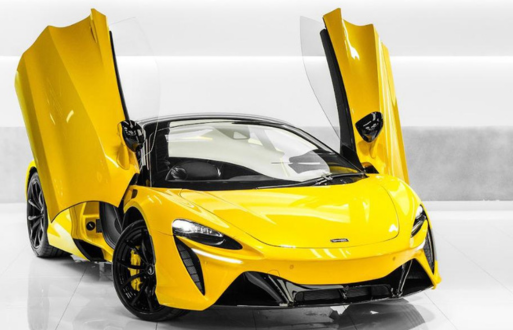
If you’ve always wanted to drive one, now’s your chance. Many companies offer high-end cars for rent in Dubai, from Lamborghinis to Rolls-Royces. Just be mindful of fuel, insurance, and driving conditions.
Pro tip: Avoid low-clearance supercars on rough terrain or poorly lit desert roads.
Plan Your Route & Stops Strategically
Even in a country known for smooth highways, planning your route carefully can save time, fuel, and stress.
Mapping Major & Alternative Routes
- Use Google Maps or Waze, but download offline versions, signal drops in remote areas.
- Know your main highway options:
- E11 (Sheikh Zayed Road) – Fastest between Dubai and Abu Dhabi
- E311 (Mohammed Bin Zayed Road) – Less traffic, fewer Salik points
- E66 (to Hatta) – Narrower, winding, allow extra time
Consider Road Quality, Weather & Daylight
- Summer heat (May–Sept) means avoid midday drives. Start early or travel at night.
- Desert tracks may look fine on satellite view but can be sandy or rocky. Stick to marked paths unless you’re experienced.
- Never drive into wadis during rain, flash floods are dangerous.
Border Crossings & Multi-Emirate / Cross-Country Logistics
- You can drive rental cars between UAE emirates without issue.
- For Oman (e.g., Musandam, Khasab): Confirm with your rental company first. Some prohibit cross-border travel; others charge extra fees or require advance approval.
- Carry your passport, rental agreement, and valid license (IDP if needed).
Timing and Scheduling
- Leave early to avoid rush hour (7–9 AM, 5–7 PM)
- Schedule stops every 2–3 hours for long trips
- Fuel up before leaving Dubai, stations are fewer outside city limits
Things to know before rent a car
Never skip the pre-trip checklist. A few minutes can prevent big problems.
Vehicle Inspection:
- Walk around the car and document any scratches or dents (photos/video)
- Check tire pressure, spare tire, and fluid levels
- Test AC, lights, and infotainment system
Verify Documents:
- Ensure your license is valid. Non-GCC nationals need an International Driving Permit (IDP)
- Confirm the rental includes a Salik tag (required for toll roads)
Rules to know
- Speed limits: 80–120 km/h depending on road type
- Seat belts mandatory for all passengers
- Mobile phone use while driving = heavy fine
Budgeting & Cost Estimation
Smart travelers know how to manage car rental budget without sacrificing experience.
Key cost factors:
- Daily rate (higher for luxury or off-road vehicles)
- Fuel – Fill up before returning; most companies charge premium refill fees
- Salik tolls – 5 AED per gate, charged twice daily max per gate
- Parking – Free in most public areas; paid in malls (10–15 AED/hour)
- Insurance – Basic coverage included, but consider excess reduction for peace of mind
Tips to save:
- Book weekly rates (often cheaper than daily)
- Choose E311 to reduce Salik crossings
- Use RTA’s Sahl app to find free parking zones
On the Trip
- Stay hydrated, keep water in the cabin (but out of direct sunlight)
- Take turns driving on long trips
- Keep emergency numbers handy (rental company, RTA roadside assistance)
- Respect local customs, modest dress when stopping in rural areas
Frequently Asked Questions
Do I need an international driving permit if renting in UAE?
Yes, if your license isn’t from a GCC country. An IDP is required alongside your home license.
What happens if I exceed the mileage limit?
Most rentals have unlimited mileage, but some luxury or long-term deals impose limits. Excess is usually charged at 20–50 fils per km.
Can I drive rental cars across emirate borders, or to Oman?
Yes, within the UAE. For Oman, check with your provider, many require prior approval and charge cross-border fees.
Who pays for tolls / Salik / parking fines or speed camera tickets?
You do. Salik charges are added to your final bill. Fines take weeks to appear but will be passed on by the rental company.
What insurance options are essential vs optional?
Basic CDW is included, but it often leaves you liable for excess (up to 10,000 AED). Excess reduction insurance is highly recommended. Tyre and undercarriage coverage is useful for off-road trips.
With the right car, plan, and preparation, a UAE road trip can be unforgettable, whether you’re cruising in a luxury sedan or exploring deserts in a rugged SUV. Just remember: the best journeys aren’t just about where you go, but how smoothly you get there.
Abirami is a Dubai-based luxury car enthusiast and contributor, writing about exotic rentals, chauffeur services, and the lifestyle of premium mobility in the UAE.
 All Cars
 Luxury Cars
 Convertible Cars
 Coupe Cars
 SUV Cars
 7 Seaters Cars
 Audi
 Bentley
 BMW
 Cadillac
 Chevrolet
 Ferrari
 Ford
 GMC
 Jaguar
 Jeep
 Lamborghini
 Land Rover
 McLaren
 Range Rover
 Mercedes Benz
 Mini Cooper
 Nissan
 Porsche
 Rolls Royce